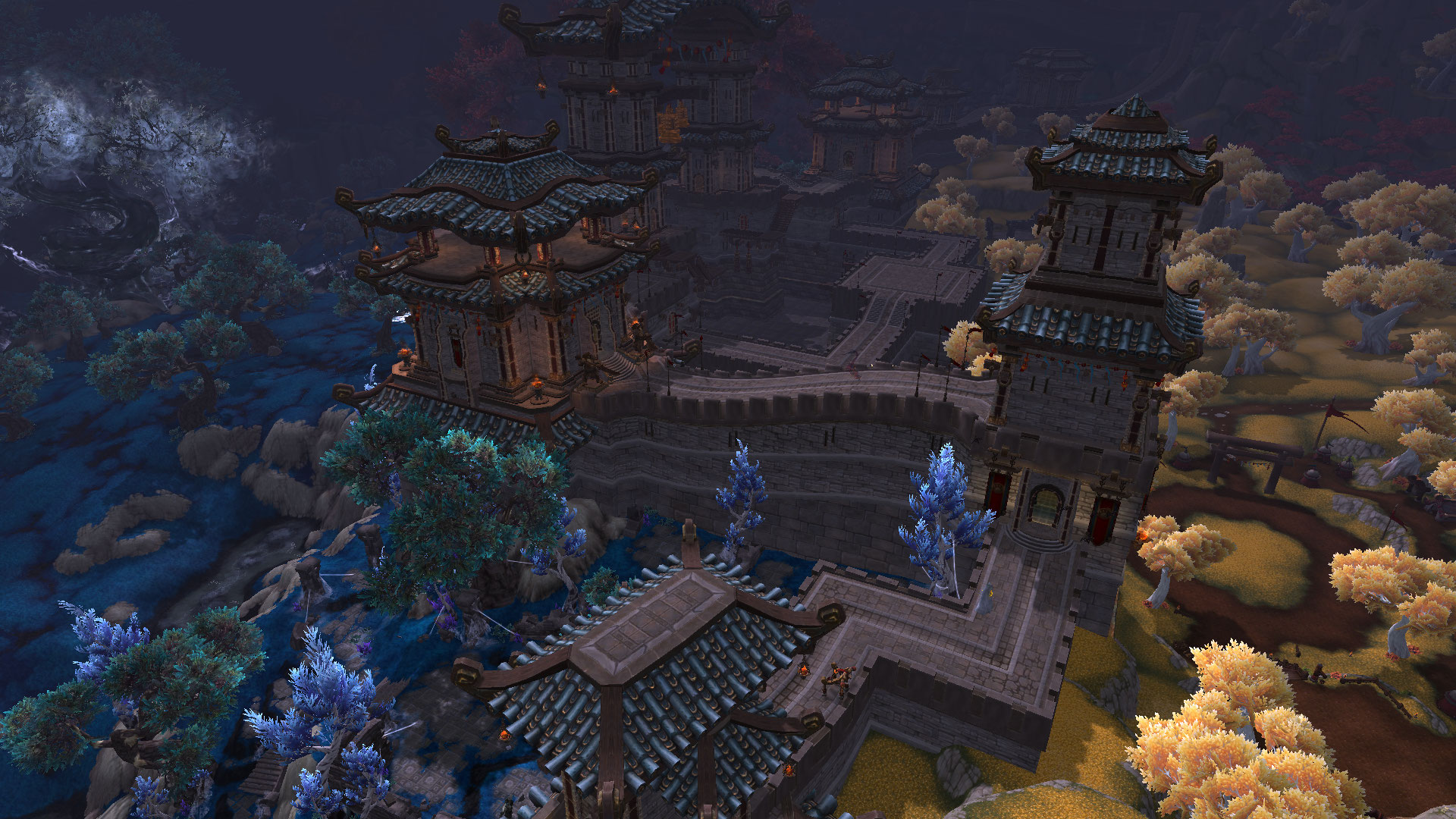
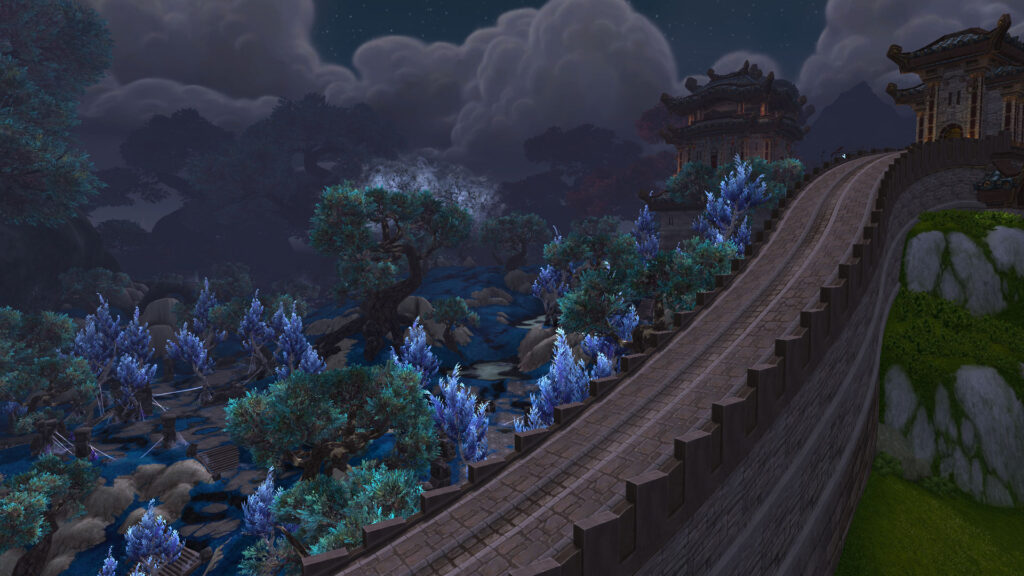
The Gate of the Setting Sun is a pivotal battleground in World of Warcraft’s Pandaria expansion, where players must defend against relentless Mantid swarms. This guide delves into the strategic defense mechanics, critical player roles, and effective tactics to ensure the Great Wall remains unbreached. Understanding the nuances of this encounter is essential for both novice and experienced players aiming to master this challenging scenario.
What are the key metrics for defending the Gate of the Setting Sun?
The key metrics for defending the Gate of the Setting Sun include damage dealt, healing received, and the number of Mantid waves successfully repelled.
Understanding these metrics is crucial for evaluating your team’s performance during the defense. The table below provides a comparative analysis of essential statistics that impact the success of the defense against Mantid swarms. By focusing on these metrics, players can optimize their strategies and enhance their effectiveness in battle.
| Damage Dealt | Healing Received | Mantid Waves Repelled | Player Deaths |
|---|---|---|---|
| 1,200,000 | 500,000 | 15 | 3 |
| 1,500,000 | 600,000 | 20 | 1 |
| 1,800,000 | 700,000 | 25 | 0 |
How do the Mantid swarms operate during the defense?
The Mantid swarms operate through a series of coordinated attacks that increase in intensity with each wave, requiring strategic player responses.
The Mantid are known for their relentless assault patterns, which involve multiple waves that become progressively more challenging. Each wave consists of various Mantid types, including melee attackers and ranged units, each with unique abilities that can disrupt player formations. Understanding the timing and composition of these waves is critical; players must anticipate their movements and prepare to counteract their strategies effectively. The first few waves may seem manageable, but as the encounter progresses, the frequency and strength of the Mantid attacks will increase, putting immense pressure on the defenders.
Players can utilize specific mechanics to counter the Mantid swarms effectively. For instance, the Mantid’s “Burrow” ability allows them to evade damage temporarily, making it essential for players to time their attacks and crowd control abilities strategically. Additionally, players should be aware of the Mantid’s “Rallying Cry,” which boosts their allies’ damage output. By coordinating cooldowns and utilizing area-of-effect (AoE) abilities, players can maximize their damage output and minimize the impact of the Mantid’s offensive capabilities.
What are the critical steps to successfully defend the Gate of the Setting Sun?
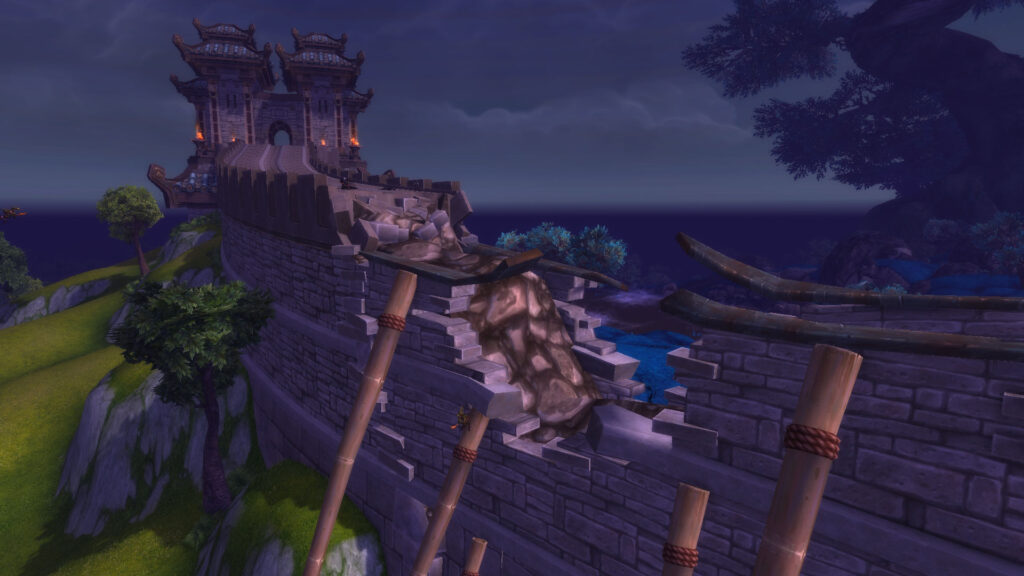
Successfully defending the Gate of the Setting Sun requires a series of critical steps, including team coordination, strategic positioning, and effective use of abilities.
To ensure a successful defense, players must prioritize communication and coordination among team members. Establishing clear roles, such as designated healers, damage dealers, and crowd control specialists, can significantly enhance the team’s overall effectiveness. Additionally, positioning is vital; players should spread out to avoid being overwhelmed by AoE attacks while ensuring they can quickly assist teammates in need. Each player must also be aware of their surroundings, as Mantid may attempt to flank or isolate individuals.
- Establish clear roles within the team to maximize efficiency.
- Utilize crowd control abilities to manage incoming Mantid effectively.
- Maintain strategic positioning to avoid AoE damage and ensure quick assistance.
- Communicate cooldowns and abilities to synchronize attacks and defenses.
What advanced strategies can enhance the defense against Mantid swarms?
Advanced strategies for enhancing defense against Mantid swarms include utilizing environmental advantages and optimizing cooldown management.
Players can leverage the terrain and environmental features of the Gate of the Setting Sun to their advantage. For example, using choke points can funnel Mantid into manageable groups, allowing for concentrated AoE damage. Additionally, players should be aware of the various defensive structures available, such as turrets, which can provide significant firepower against incoming waves. These structures should be prioritized for upgrades, as they can turn the tide of battle when utilized effectively.
Cooldown management is another critical aspect of advanced strategies. Players should track their cooldowns and communicate with teammates to ensure that powerful abilities are used at optimal times. For instance, saving major damage-dealing abilities for the final wave can be a game-changer, as this is typically when the Mantid are at their strongest. Furthermore, players should consider the timing of their healing abilities, ensuring that healers are prepared to respond to burst damage during critical moments of the encounter.
What common issues arise during the defense of the Gate of the Setting Sun?
Common issues during the defense of the Gate of the Setting Sun include miscommunication, poor positioning, and ineffective use of abilities.
Miscommunication can lead to disastrous outcomes, as players may not be aware of each other’s strategies or cooldowns. This can result in overlapping abilities or, conversely, a lack of necessary support when needed. Additionally, poor positioning can leave players vulnerable to Mantid attacks, especially during critical moments when they are isolated or unable to assist teammates. Players must remain vigilant and adapt to the evolving dynamics of the encounter to avoid these pitfalls.
What future trends could impact the defense strategies at the Gate of the Setting Sun?
Future trends that could impact defense strategies at the Gate of the Setting Sun include changes in player abilities and the introduction of new Mantid mechanics.
As World of Warcraft continues to evolve, players can expect ongoing adjustments to class abilities and mechanics, which may alter the dynamics of the defense. For instance, if healing abilities are buffed or damage-dealing skills are nerfed, players will need to adapt their strategies accordingly. Additionally, the introduction of new Mantid types or mechanics could present fresh challenges, requiring defenders to rethink their approaches and develop new tactics to counter these threats effectively.